



What to Do After a Car Accident in Pittsburgh: A Checklist


Find out exactly what to do after a car accident in Pittsburgh with this step-by-step checklist for safety, documentation, and protecting your legal rights.
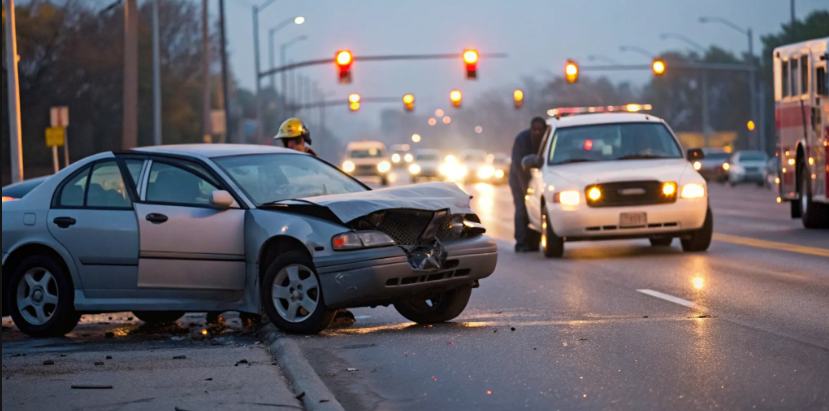
The sound of a car crash is jarring, and the aftermath is even more stressful. Your mind races with a dozen questions at once, and it’s easy to forget a crucial step in the confusion. But what you do right after impact matters immensely. Taking the right actions protects your well-being and preserves the evidence needed for a strong insurance claim. Think of this as your essential checklist for what to do after a car accident in Pittsburgh. We’ll cover everything from staying safe at the scene and calling 911 to documenting evidence and dealing with insurance adjusters. Following these steps will help you stay calm and make smart decisions during a very difficult time.
Key Takeaways
: After ensuring everyone is safe, your phone is your best tool. Take photos of everything from multiple angles, get witness contact information, and call 911 to create an official police report. This evidence is the foundation of your claim.
- See a Doctor Without Delay
: Adrenaline can mask serious injuries. Getting a medical evaluation right away protects your health and creates an official record that links your injuries to the crash, which is crucial for dealing with insurance companies.
- Protect Your Words Carefully
: Never admit fault, as even a simple “I’m sorry” can be used against you. Avoid giving recorded statements to the other driver’s insurer and let an attorney handle communications to protect your right to fair compensation.
What to Do Immediately After a Car Accident in Pittsburgh
The moments after a car accident are disorienting and stressful. Your adrenaline is pumping, and with the sound of screeching tires still ringing in your ears, it’s hard to think clearly. Whether you’re on the Parkway East during rush hour or a quiet street in Allegheny County, a crash can leave you feeling completely overwhelmed. But what you do right after impact can have a huge effect on your health, safety, and any future legal claims. Taking a deep breath and following a few key steps can protect you and your rights.
Think of this as your immediate action plan. Before you even think about insurance or car repairs, your first priorities are simple: secure the scene, check on everyone involved, and call for help. These actions are not just about following procedure; they are about protecting your well-being and preserving crucial evidence. The steps you take now create the foundation for a strong injury law claim and ensure you have the official documentation you’ll need later. We’ll walk you through exactly what to do, step by step, to handle the situation calmly and effectively. Seeking advice from a Pittsburgh injury lawyer early on is often the best way to navigate this process.
Stay Safe at the Scene
After a car accident, your safety is the most important thing. Before you do anything else, assess your surroundings. If your car is still in a lane of traffic, turn on your hazard lights immediately to warn other drivers. If you can safely drive the car, move it to the shoulder or a nearby parking lot. Getting out of the flow of traffic prevents a second accident. If your vehicle is too damaged to move, you and your passengers should carefully exit the car and find a safe place away from the road, like a sidewalk or behind a guardrail. Don’t stand between cars or in the median where you could be in danger.
Check Everyone for Injuries
Once you are in a safe location, check yourself and your passengers for injuries. Adrenaline can mask pain, so even if you feel fine, take a moment to do a careful check. Look for cuts, bruises, or areas of pain. Next, if it is safe to approach the other vehicle, check on the other driver and their passengers. Ask if they are okay. If anyone is injured, even if it seems minor, you should call 911 immediately and request medical assistance. Don’t try to move someone who is seriously hurt unless they are in immediate danger, like from a fire. Let the professionals handle it.
Call 911 to Report the Accident
Even for a minor fender bender with no obvious injuries, you should always call the police. Dial 911 and tell the dispatcher you’ve been in a car accident. They will send an officer to the scene. A police report is an official, unbiased record of the incident, and it can be incredibly helpful later when you file an insurance claim. The report will contain important details like the date, time, location, and contact information for everyone involved. When the officer arrives, calmly and accurately describe what happened. Stick to the facts and avoid saying anything that could be interpreted as admitting fault, like “I’m so sorry.” This official report is a critical piece of evidence that a Pittsburgh injury lawyer will use to build your case.
How to Document the Accident Scene
After an accident, your mind is likely racing, but taking a moment to document the scene can make a huge difference for your claim. Think of yourself as a detective gathering clues. The evidence you collect right after the crash provides a clear snapshot of what happened before memories fade. Taking these steps protects your rights and strengthens your case. It ensures your side of the story is supported by solid proof, which is exactly what you need when dealing with insurance companies.
Take Photos From Every Angle
Your smartphone is one of the most powerful tools you have at an accident scene. Use it to take more photos than you think you need from every angle. Capture wide shots of the entire scene to show the position of the vehicles, traffic signals, and road conditions. Then, get close-ups of the damage to all cars involved. Don’t forget to photograph license plates, skid marks, and any debris from the crash. If you have visible injuries, take pictures of those too. These photos create a visual record that is essential for building a strong personal injury claim.
Get Information From Witnesses
If anyone saw the accident happen, their account can be incredibly valuable. Witnesses provide an objective perspective that can support your version of events. Politely ask anyone who stopped if they would be willing to share their contact information. Be sure to get their full name and phone number. If they are willing, ask them to briefly describe what they saw and jot it down. Don’t pressure them, but explain that their statement could be very helpful. Having a list of witnesses gives your attorney a powerful tool to build a comprehensive picture of the incident.
Write Down All Accident Details
While the events are still fresh in your mind, write down everything you can remember. Use the notes app on your phone or a pen and paper. Record the date, time, and exact location, including street names and nearby landmarks. Note the direction you were traveling and what the other driver was doing. Describe the weather and road conditions. If the police responded, get the officer’s name, badge number, and the police report number. This personal record helps you keep the facts straight and is an essential resource when you speak with an attorney.
What to Exchange With the Other Driver
After an accident, your adrenaline is pumping, and it’s easy to feel overwhelmed. But the moments you spend exchanging information with the other driver are some of the most important for protecting your rights later on. This isn’t the time for arguments or accusations. Your goal is to be calm, methodical, and thorough. Think of yourself as a reporter on the scene, gathering the essential facts you’ll need for your insurance claim and any potential legal action.
Getting this information right from the start can make a huge difference in how smoothly things go. A fuzzy photo of an insurance card or a forgotten phone number can create major headaches down the road. By staying focused and collecting a few key pieces of information, you are taking the first and most critical step in building your case. This exchange ensures that both you and the other driver can follow up properly regarding any claims or damages. If the other driver is uncooperative or seems impaired, wait for the police to arrive and let them handle the situation. Your safety is always the top priority.
Share Contact and Insurance Information
The most basic and essential step is to trade contact and insurance information with the other driver. Don’t rely on memory; write everything down or use your phone to take pictures of their documents. This simple exchange is the foundation for any claim you may need to file.
Make sure you get the following from every driver involved:
- Full name and contact information (address, phone number, email)
- Insurance company name and policy number
- Driver’s license number and state
This information is vital for your insurance company and your attorney to begin the claims process. Having accurate details ensures they can contact the right people and move your case forward without unnecessary delays. Our injury law team knows how critical this first step is.
Note the Other Vehicle’s Details
Beyond the driver’s personal information, you need to document the specifics of their vehicle. This helps create a complete picture of the incident for insurance adjusters and investigators. Take a moment to walk around the other car, if it’s safe to do so, and jot down the details. Taking clear photos of the vehicle, its license plate, and any visible damage is also a great way to capture this information accurately.
Be sure to record:
- The vehicle’s make, model, and color
- The year of the vehicle
- The license plate number and state
- The Vehicle Identification Number (VIN), which is usually visible on the dashboard through the windshield
These details help confirm the identity of the vehicle involved and are crucial for the official accident report.
What You Should Never Say
In the moments after a crash, it’s natural to want to be polite, but you must be very careful with your words. The most important rule is this: do not admit it was your fault. Even saying something as simple as “I’m so sorry” can be interpreted as an admission of guilt by an insurance company and used against you. Stick to the facts of what happened without assigning blame to yourself or anyone else.
Avoid speculating about the cause of the accident or discussing the extent of your injuries. Simply state the facts as you know them when exchanging information and speaking with the police. Admitting fault can seriously jeopardize your ability to receive fair compensation for damages and injuries. If you have questions about what to say, it’s best to contact us before speaking with an insurance adjuster.
Know Pennsylvania’s Post-Accident Laws
After a car accident, the last thing you want to think about is legal paperwork and deadlines. But understanding Pennsylvania’s laws is one of the most important things you can do to protect yourself. The steps you take in the hours and days following a crash can significantly impact your ability to get fair compensation for your injuries and vehicle damage. Knowing the rules isn’t just about compliance; it’s about securing your rights and setting your claim up for success from the very beginning. It’s your first line of defense.
When You Are Required to File a Report
In Pennsylvania, the law is clear: you must report a car accident to the police if it results in any injuries or a death. You also have to report it if any vehicle is damaged so badly that it can’t be driven away from the scene. Even if the accident seems minor, it’s always a smart move to call the police and file a report. An official police report serves as a neutral, third-party record of the incident. This document is a crucial piece of evidence for your injury law claim and can help prevent the other driver from changing their story later.
What to Include in a Police Report
When the police arrive, they will ask you for your account of what happened. Be prepared to provide them with all the evidence you gathered at the scene. This includes any photos of the vehicle damage, your injuries, and the overall accident area. You should also provide the contact and insurance information for the other driver, along with the names and phone numbers of any witnesses. Having all of this information organized will help the officer create a thorough and accurate report. This official record is vital for both insurance claims and any potential legal action.
Understand the Deadlines for Your Claim
Pennsylvania has a strict time limit for filing a personal injury lawsuit after a car accident. This is known as the statute of limitations, and you generally have two years from the date of the crash to file your claim. If you miss this deadline, you will likely lose your right to sue for compensation permanently. Two years might sound like a long time, but building a strong case involves gathering evidence, consulting with experts, and negotiating with insurance companies. That’s why it’s so important to contact an attorney as soon as possible to get the process started and ensure you don’t miss this critical window.
Why Medical Care is Your Top Priority
After a car accident, your mind might be racing with thoughts about car repairs and insurance claims, but nothing is more important than your health. Your well-being should be your number one concern. Seeking prompt medical attention is not only essential for your recovery but also critical for documenting your injuries, which is a key step in any future legal action. The shock and adrenaline from a crash can easily mask serious injuries, and what seems like minor soreness can develop into a chronic condition if left untreated. Don’t make the mistake of toughing it out or assuming you’re fine just because you can walk away from the scene.
An official medical record created by a doctor right after the accident provides a direct link between the crash and your injuries. This documentation is powerful evidence if you need to file an injury claim to cover your medical expenses and other losses. Without it, an insurance company may argue that your injuries are not related to the accident or are not as severe as you claim. They look for any reason to minimize their payout, and a gap in treatment is a common excuse. Prioritizing a medical evaluation protects both your physical health and your legal rights, setting a strong foundation for your recovery journey.
Get Medical Attention Right Away
You should get checked by a doctor immediately after an accident, even if you feel completely fine. The adrenaline pumping through your body can hide pain, and some common car accident injuries, like whiplash, concussions, or internal bleeding, don’t always show symptoms right away. Waiting to see a doctor can worsen your condition and give an insurance company a reason to devalue or deny your claim. They might suggest that your delay proves your injuries weren’t serious or were caused by something else. A prompt medical evaluation creates an official record that connects your injuries directly to the crash, which is essential for your case.
Keep a Detailed Record of Your Injuries
From your very first doctor’s visit, start keeping a detailed file of everything related to your injuries and medical care. This includes copies of all medical reports, bills from hospitals and clinics, receipts for prescriptions, and notes from your doctor. These documents are the backbone of your personal injury claim, as they prove the extent of your injuries and the financial costs associated with them. It’s also helpful to keep a personal journal detailing your daily pain levels, symptoms, and any challenges you face in your day-to-day life because of your injuries. This detailed record will help your Pittsburgh injury lawyer build the strongest possible case for you.
Watch for Delayed Symptoms
It’s very common for car accident injuries to surface hours, days, or even weeks after the crash. The initial shock can prevent you from feeling the full extent of the damage. Be on high alert for any new or worsening symptoms, such as headaches, dizziness, neck or back pain, numbness, or changes in your mood or sleep patterns. These could be signs of a concussion, soft tissue damage, or other serious issues. If you notice any new symptoms, see a doctor immediately to get them checked out and documented. Reporting them promptly ensures they become part of your official medical record, strengthening the link to the accident.
How to Handle Insurance Companies
After a car accident, you will almost certainly have to deal with insurance companies. It’s important to remember that their primary goal is to protect their bottom line, which often means paying out as little as possible on claims. They have teams of adjusters and lawyers trained to minimize settlements. This is why your interactions with them are so critical. What you say and do can significantly impact the outcome of your claim.
You should always report the accident to your own insurer, but when it comes to the other driver’s insurance company, you need to be extremely careful. Their adjusters may seem friendly and helpful, but their questions are often designed to get you to say something that could weaken your case. Knowing how to communicate effectively, what information to share, and when to stay silent is key to protecting your rights. The best approach is to let an experienced attorney handle these conversations for you.
Report the Accident to Your Insurer
You should notify your own insurance company about the accident as soon as you can. When you speak with them, stick to the facts of what happened. Provide the date, time, location, and the names of the people involved. Be honest, but do not guess or speculate about details you are unsure of. Most importantly, do not admit fault or accept any blame for the crash. Even a simple apology can be misinterpreted and used against you later. Just present the information you have clearly and concisely.
What to Say to an Insurance Adjuster
Soon after the accident, you will likely get a call from the other driver’s insurance adjuster. It is in your best interest not to speak with them until you have consulted a lawyer. These adjusters are trained to ask leading questions designed to get you to downplay your injuries or admit partial fault for the accident. They often record these calls to find any inconsistencies in your story that they can use to deny or reduce your claim. The safest thing you can do is politely decline to speak with them and refer them to your injury law attorney.
How Pennsylvania’s “Comparative Fault” Law Affects You
Pennsylvania follows a legal rule known as “modified comparative negligence.” This rule means you can still recover money for your damages even if you were partially at fault for the accident, but there’s a catch. Your total compensation will be reduced by your percentage of fault. For example, if you are found to be 20% at fault, your settlement will be reduced by 20%. However, if you are found to be 51% or more at fault, you cannot recover any damages at all. This is why insurance adjusters work so hard to shift blame onto you.
Why You Should Avoid Recorded Statements
Never agree to give a recorded statement to the other driver’s insurance company without speaking to a lawyer first. These recordings are not for your benefit. The adjuster will use the recording to lock you into a specific story and will analyze every word to find something they can use against you. You might be feeling stressed or be on medication for your injuries, which can affect how you answer questions. An attorney can help you prepare for any necessary statements or, better yet, handle all communications on your behalf to ensure your rights are fully protected. We recommend you contact us before speaking to any insurance representative.
When to Call a Pittsburgh Car Accident Lawyer
After a car accident, you’re dealing with vehicle repairs, medical appointments, and the stress of it all. It can be tough to know if you also need to call a lawyer. While not every fender bender requires legal action, there are specific situations where having an experienced attorney on your side is essential for protecting your rights and your financial future. The moments after a crash are critical, and the decisions you make can have a lasting impact.
Think of a car accident lawyer as your advocate. Their job is to handle the complex legal and insurance processes so you can focus on your recovery. If your accident involves serious injuries, disputed fault, or an uncooperative insurance company, getting legal advice isn’t just a good idea; it’s a necessary step to ensure you receive fair treatment and the compensation you deserve. Our team is here to guide you through this difficult time with the aggressive representation you need.
Signs You Need an Attorney
It’s time to call an attorney if you experience any significant injuries. Even seemingly minor issues can develop into long-term problems, and you deserve compensation for all medical care, lost wages, and pain and suffering. Another major red flag is when the other driver’s insurance company offers you a quick, low settlement. These initial offers rarely cover the full extent of your damages. If the insurer is delaying your claim, denying responsibility, or making the process difficult, you need a professional to step in and fight for you. An experienced injury law attorney will investigate the crash, gather evidence, and build a strong case on your behalf.
How Our Firm Protects Your Interests
Insurance companies are businesses, and their main goal is to protect their bottom line, not to give you the largest possible payout. Adjusters are trained to minimize the value of your claim, and they may try to argue about who was at fault or downplay the severity of your injuries. When you hire our firm, you level the playing field. We know the tactics insurers use, and we don’t let them take advantage of our clients. We handle all communications with the insurance companies, protect you from making statements that could hurt your case, and negotiate for a settlement that truly covers your losses. We are committed to protecting your interests every step of the way.
The Benefits of a Prompt Legal Consultation
The best time to contact a car accident attorney is as soon as possible after the crash, ideally before you speak with any insurance adjusters. What you say in those early conversations can be used against you later, even if it’s an innocent comment. A prompt legal consultation allows us to advise you on what to say and do to protect your rights from the very beginning. We can help you avoid common mistakes that could weaken your claim. Getting in touch with us early gives us more time to preserve evidence and talk to witnesses while their memories are still fresh. You can contact us for a free consultation to understand your options without any obligation.
Critical Mistakes to Avoid After a Crash
The moments following a car accident are chaotic and stressful. With adrenaline pumping, it’s easy to say or do something that could unintentionally harm your case later on. Insurance companies are looking for any reason to reduce or deny your claim, and a few common missteps can give them the ammunition they need. Understanding these pitfalls is the first step toward protecting your rights and ensuring you get the compensation you deserve. Your actions in the hours and days after the crash are just as important as what happened during it. By avoiding these critical mistakes, you can build a stronger foundation for your injury law claim and focus on what truly matters: your recovery.
Don’t Admit Fault
After a crash, your first instinct might be to apologize, even if you don’t think you were to blame. Resist this urge. Saying something as simple as “I’m so sorry” can be interpreted as an admission of guilt by insurance adjusters. The most important thing to remember is to never admit fault to the other driver, the police, or any insurance representative. Determining who is legally responsible for an accident is a complex process based on evidence and traffic laws, not on-the-spot apologies. If you say you were at fault, you might not get any money for your claim. Stick to the facts of what happened without assigning blame to yourself or anyone else.
Don’t Postpone Seeing a Doctor
Your health should be your top priority. See a doctor immediately after an accident, even if you feel fine. Some serious injuries, like whiplash or internal bleeding, may not present symptoms for hours or even days. If you wait to seek medical care, an insurance company might argue that your injuries aren’t severe or weren’t caused by the crash. Getting a prompt medical evaluation creates an official record that directly links your injuries to the accident. This documentation is crucial evidence for your claim. Make sure to tell your doctor about every symptom you’re experiencing, no matter how minor it seems.
Don’t Accept the First Settlement Offer
Soon after the accident, you will likely receive a call from the other driver’s insurance company with a settlement offer. It might seem like a quick and easy solution, but the first offer is almost always far less than what your claim is actually worth. Insurance companies want to close cases quickly and for the lowest possible amount. Remember, injuries can worsen over time, and once you accept a settlement, you can’t ask for more money later. You give up your right to any future compensation for that incident. Before you even consider an offer, you need to understand the full extent of your injuries, medical bills, and lost wages. It’s best to contact an attorney to review any offer before you sign.
Be Careful What You Post on Social Media
In the age of social media, it’s important to remember that what you share online is not private. Insurance companies and their lawyers will search your social media profiles for anything they can use against you. A photo of you smiling at a family barbecue or a post about taking a walk could be used to argue that your injuries aren’t as serious as you claim. Even your privacy settings can’t guarantee protection. The safest approach is to avoid posting anything about the accident, your injuries, or your daily activities until your case is fully resolved. A single post taken out of context can seriously damage your credibility and the value of your claim.
Helpful Pittsburgh Resources and Contacts
After a car accident, you’re often left feeling overwhelmed and unsure of what to do next. Having a list of key contacts and resources can make a huge difference. This guide provides essential information for anyone involved in a crash in the Pittsburgh area, from finding medical care to understanding your reporting duties. Keep this information handy so you can act quickly and protect your well-being.
Local Hospitals and Emergency Services
Your health is the absolute top priority after an accident. Even if you feel fine, you should see a doctor immediately. Some serious injuries don’t show symptoms right away, and waiting to get checked out can harm both your health and your potential injury claim. Insurance companies often argue that a delay in treatment means your injuries weren’t caused by the crash. Pittsburgh has several excellent medical facilities, including UPMC Presbyterian Shadyside and Allegheny General Hospital. Don’t hesitate to go to the nearest emergency room to get a thorough evaluation. A medical report creates an official record of your injuries, which is critical for any future claims.
PennDOT Reporting Information
In Pennsylvania, the law requires you to report any accident that results in injury or death. You must also file a report if a vehicle is damaged so badly that it needs to be towed. You can do this by calling the police to the scene, who will create an official report. Even for minor accidents, it’s a good practice to get a police report. This document serves as an unbiased account and can be invaluable when dealing with insurance companies. You can learn more about specific requirements on the PennDOT website. This official record helps establish the facts and prevents the other driver from changing their story.
Legal Support and Aid Services
Dealing with the aftermath of a car accident is complicated, especially when insurance companies get involved. Their goal is to pay out as little as possible. If you were injured, missed work, or face complex liability questions, it’s time to speak with a Pittsburgh injury lawyer. An experienced attorney can explain your rights and handle all communications with the insurer. A car accident lawyer works to ensure you receive fair compensation for medical bills, lost wages, and pain and suffering. At Logue Law Group, our team is dedicated to protecting your interests. Getting help from an experienced injury law attorney can provide clarity and peace of mind.
Related Articles
- Pittsburgh Auto Accident Attorney | Logue Law Group
- What to Do After Motorcycle Accident | Pittsburgh Criminal Lawyer Blog
- Pittsburgh Lawyer for a Leaving the Scene of a Car Accident
- Car Accidents Category Archives | Pittsburgh Criminal Lawyer Blog
- Head on Accidents | Pittsburgh Criminal Lawyer Blog
Frequently Asked Questions
Do I still need to call the police if the accident was minor?
Yes, you absolutely should. A police report is an official, unbiased record of what happened. It’s powerful evidence that prevents the other driver from changing their story later. Insurance companies rely on these reports to determine fault, so having one protects you, even if the damage seems minimal at first.
What if my pain doesn’t show up until a day or two after the crash?
This is very common. Adrenaline can mask injuries like whiplash or concussions right after an accident. The most important thing is to see a doctor as soon as you feel any symptoms, no matter how delayed. This creates a medical record that connects your injury to the crash, which is essential for your claim. Don’t just hope the pain will go away on its own.
The other driver’s insurance adjuster called me with a settlement offer. Should I take it?
You should be very cautious about accepting the first offer. Insurance companies often try to settle claims quickly and for the lowest amount possible, before you even know the full extent of your injuries or vehicle damage. Once you accept, you can’t ask for more money. It’s always best to have an attorney review any offer to make sure it’s fair.
How is an insurance claim different from a lawsuit?
An insurance claim is a request for compensation that you file with an insurance company after an accident. Most cases are settled at this stage. A lawsuit is a formal legal action you file in court when the insurance company refuses to offer a fair settlement. In Pennsylvania, you have two years from the accident date to file a lawsuit, which is why it’s important to act quickly.
What happens if the other driver was uninsured or fled the scene?
This is a stressful situation, but you still have options. Your own auto insurance policy may include uninsured or underinsured motorist coverage, which is designed to cover your expenses in these exact scenarios. It is critical to report the incident to the police immediately, especially in a hit and run. An attorney can help you review your policy and pursue all available avenues for compensation.