



What to Do After a Traffic Accident: A Clear Guide


Get practical steps to take after a traffic accident, from safety tips to handling insurance and protecting your rights. Stay prepared and informed.
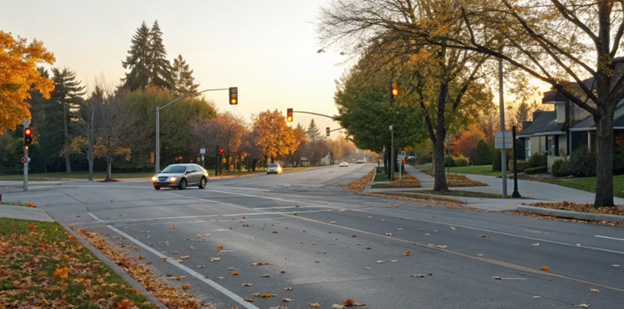
A traffic accident on a Pittsburgh street does more than just damage vehicles and injure people. It sends ripples through the entire community. It ties up police and paramedics, strains our local emergency services, and can lead to long term public health challenges. While the immediate focus is rightly on the individuals involved, understanding this broader context highlights why road safety is a shared responsibility. For you, as someone recovering from a crash, it also underscores the importance of holding the responsible party accountable. Your injury law claim is not just about your own recovery; it is about ensuring accountability on our shared roads. Working with a dedicated Pittsburgh injury lawyer can help you navigate this complex landscape.
Key Takeaways
- Prioritize safety and gather evidence immediately: Your first moves after a crash matter most. Check for injuries, call 911 to create an official record, and use your phone to photograph everything from vehicle damage to road conditions before details fade.
- Understand how Pennsylvania law impacts your claim: The state follows a shared fault rule, meaning you can still recover damages even if you are partially responsible. However, you have a strict two-year deadline to file a lawsuit, so acting promptly is essential to protect your rights.
- Let a professional handle the insurance companies: Insurance adjusters work for their company, not for you, and their goal is often to settle for the lowest amount possible. An experienced attorney acts as your advocate, managing all communication and fighting for the full compensation you need to recover.
What Is a Traffic Accident?
A traffic accident happens when a moving vehicle collides with something else, whether it’s another car, a pedestrian, an animal, or a fixed object like a guardrail. These incidents can occur anywhere, from busy Pittsburgh intersections to quiet suburban streets, and often result in vehicle damage, physical injuries, or worse. In the moments after a crash, it’s easy to feel overwhelmed and confused. That’s why understanding the basics of what constitutes an accident and what your immediate responsibilities are is so important. Having this knowledge helps you stay focused, make clear-headed decisions, and take the right steps to protect yourself and your rights from the very beginning.
Common Types of Accidents
While every crash has its own unique circumstances, most fall into a few common categories. Rear-end collisions, where one vehicle hits the back of another, are incredibly frequent, especially in stop-and-go traffic. Side-impact crashes, often called “T-bone” accidents, typically happen at intersections when one driver fails to yield. Head-on collisions are less common but are among the most dangerous. There are also single-vehicle accidents, where a driver might lose control and hit a tree or slide off a wet road. Any of these scenarios can be caused by anything from simple driver error to bad weather and can easily lead to a serious injury law claim.
When You Must Report an Accident
Knowing when to involve the police is not just a good idea; it’s often the law. In Pennsylvania, you are legally required to report any accident that results in an injury or death. You must also file a report if a vehicle is damaged so badly it has to be towed away. Even if the damage seems minor, calling 911 to get an officer on the scene creates an official, unbiased record of the event, which is crucial for any future insurance claims. You should always exchange driver’s license, registration, and insurance information with the other party, but never admit fault. Stick to the facts of what happened and let the insurance companies and legal professionals determine liability later. If you’re ever unsure what to do, you can always contact us for immediate advice.
What Causes Most Traffic Accidents?
When you’re dealing with the aftermath of a car crash, it’s easy to feel overwhelmed. But understanding why accidents happen is the first step toward figuring out what to do next. While every situation is different, most traffic accidents boil down to a handful of common causes. It’s rarely a single issue; more often, it’s a combination of factors involving driver decisions, the driving environment, and the vehicles themselves.
Figuring out the primary cause is crucial because it helps determine who is legally at fault. This isn’t just about placing blame. It’s about ensuring the responsible party is held accountable for the damages and injuries they’ve caused. From a distracted driver to a poorly maintained road or a faulty car part, identifying the root cause is the foundation of any potential injury claim. Let’s look at the three main areas where things can go wrong.
Mistakes Behind the Wheel
The vast majority of collisions are tied to the choices drivers make. In fact, studies show that various human factors contribute to over 90% of all crashes. These aren’t always malicious acts; often, they are simple but dangerous lapses in judgment. Distracted driving is a major one, with texting drivers being 23 times more likely to crash. Other common mistakes include speeding, following too closely, or failing to yield the right of way. Then there’s impairment, which includes driving under the influence of alcohol or drugs, as well as driving while dangerously tired. These actions put everyone on the road at risk and are a leading cause of serious accidents.
How Weather and Roads Play a Part
Sometimes, the driver isn’t the only one to blame. The environment itself can create hazardous situations. Poor road design, confusing intersections, missing guardrails, or even unclear signage can lead even the most careful drivers into an accident. While it’s easy to point a finger at rain or snow, most accidents actually happen in clear weather. The real issue is often the infrastructure. When a road’s condition is a significant factor in a crash, it can make for a more complex legal case. Proving that a poorly maintained road caused your accident requires a deep understanding of the law and a thorough investigation into public records and maintenance logs.
When Your Car Is the Problem
You rely on your vehicle to be safe, but sometimes it fails you. Mechanical issues are a significant, though less common, cause of traffic accidents. These problems can stem from poor maintenance, like worn-out brakes or bald tires that prevent you from stopping in time. In other cases, the issue is a manufacturing defect. A faulty airbag, a defective steering component, or a tire that blows out unexpectedly can cause a driver to lose control. Certain vehicles, like top-heavy SUVs, also have a higher risk of rollovers. When a vehicle or one of its parts is the cause of a crash, you may have a claim against the manufacturer or the mechanic who last serviced it.
Traffic Accidents by the Numbers
It’s easy to hear about traffic accidents on the news and see them as just statistics. But behind every number is a real person, a family, and a community feeling the impact. The data shows just how significant these incidents are, both on a national scale and right here in our neighborhoods. Understanding the true scope of traffic accidents highlights why taking the right steps after a crash is so important for your physical and financial recovery. These numbers paint a picture of the widespread effects of a single collision, from the immediate financial strain to the long-term changes in a person’s quality of life.
A Look at Pennsylvania and National Stats
Nationally, the figures are staggering. Traffic crashes cost drivers an estimated $299.5 billion each year. When you break that down, it comes out to an average of $6 million per accident fatality and $126,000 per injury. Here in Pennsylvania, the numbers are just as serious. In a single recent year, there were over 115,000 reportable traffic crashes across the state, resulting in thousands of injuries. These aren’t just abstract figures; they represent real costs passed on to individuals and families who are often unprepared for the financial burden that follows an accident. If you find yourself part of these statistics, consulting a Pittsburgh injury lawyer is a vital step in your recovery.
The Financial Toll on Our Communities
The economic impact of a car crash extends far beyond the individuals involved. Crashes in rural areas, like many parts of surrounding Allegheny County, can disproportionately affect local communities. In fact, crash-related fatality rates in rural areas are often twice as high as in urban centers. The costs add up quickly, straining local resources like emergency medical services, fire departments, and law enforcement. This financial toll also includes road repairs and lost productivity from injured workers. When you’ve been injured, securing fair compensation through an injury law claim is critical to protecting your own financial stability.
Lasting Effects on People and Society
While the financial costs are significant, the human cost is even greater. The long-term consequences of car accident injuries, which can include chronic pain, neurological issues, and reduced mobility, have a profound impact on an individual’s quality of life. An injury can change everything, from your ability to work to your capacity to enjoy your favorite hobbies. The effects ripple outward, affecting family dynamics and mental health. Motor vehicle injuries are often seen through the lens of immediate medical care, but it’s crucial to consider their long-term impact on your well-being and future.
Your First Steps After a Traffic Accident
The moments after a car accident are disorienting and stressful. What you do immediately following a crash can have a significant impact on your health, your finances, and any potential legal claims. Knowing the right steps to take can help you stay safe, protect your rights, and build a strong foundation for your insurance claim. It’s about taking control of a chaotic situation by focusing on a few key actions. Think of this as your immediate checklist for navigating the aftermath of a collision. By following these guidelines, you can ensure you are doing everything possible to look after your well being and secure your interests from the very beginning.
Secure the Scene and Stay Safe
Your first priority is safety. Before you do anything else, check on yourself and your passengers for any injuries. If anyone is hurt, call 911 immediately and wait for emergency services to arrive. You should not try to move someone who is seriously injured unless their current location puts them in immediate danger, like in a fire.
If the accident is minor and no one appears to be injured, try to move your vehicles out of the flow of traffic to a safe spot, like the shoulder of the road. Turn on your hazard lights to alert other drivers. The most important thing to remember in these initial moments is to stay calm and avoid discussing fault. Simply state the facts of what happened, but never admit you were to blame. Your insurance company and legal team will handle determining responsibility later.
Document Everything You Can
Once you are in a safe location, your next job is to become a detective. The evidence you gather at the scene can be incredibly valuable for your insurance claim and any potential legal action. Use your phone to take pictures of everything: the damage to all vehicles involved, their license plates, the overall accident scene from different angles, any skid marks, and relevant road signs or traffic signals.
Don’t stop with photos. Exchange contact and insurance information with the other driver. Get their name, address, phone number, and insurance policy details. If there were any witnesses, ask for their names and phone numbers too. Their account of what happened could be crucial. Finally, make notes for yourself about the time of day, weather conditions, and exactly what you remember happening. These details can fade quickly, so writing them down helps preserve an accurate record for your injury law claim.
Call for Help: Police and Insurance
Even if the accident seems minor, it’s always a good idea to call the police. An official police report provides an unbiased account of the incident and is a key document for insurance claims. When the officer arrives, give them a clear, factual statement about what occurred. Avoid guessing or speculating about details you’re unsure of. Ask the officer for their name, badge number, and how you can get a copy of the accident report.
You should also notify your own insurance company about the accident as soon as you can. Most policies require you to report a crash promptly. When you call, stick to the facts you’ve documented. Don’t offer opinions about who was at fault or agree to a recorded statement until you’ve had a chance to think clearly or speak with an attorney. Your initial report just needs to inform them that an accident happened.
Protect Your Rights on the Scene
While at the scene, it’s vital to protect your legal rights. Beyond not admitting fault, be mindful of what you say to the other driver, their passengers, and even the police. Emotions can run high, but it’s best to remain calm and polite. You are only required to share your name, address, driver’s license, and insurance information. You don’t need to get into a debate about how the accident happened.
This is also the time to start thinking about getting professional guidance. Insurance companies often try to settle claims quickly and for the lowest amount possible. Having an experienced attorney on your side ensures your rights are protected from the very beginning. A Pittsburgh injury lawyer can handle communications with the insurance adjusters and help you understand your options. If you’ve been injured, getting legal advice is an important step toward securing the compensation you deserve. You can always contact our team for a clear assessment of your situation.
Know Your Rights and Responsibilities
After an accident, you might feel overwhelmed and unsure of what to do next. It’s a stressful situation, but understanding your rights and responsibilities can make a huge difference. Knowing the rules about fault, insurance deadlines, and your options for care and legal support puts you in a much stronger position. This knowledge helps you protect yourself and make informed decisions during a difficult time. Taking a few key steps can ensure you handle the aftermath correctly and set yourself up for the best possible outcome.
How Pennsylvania Determines Fault
Many people think that if you’re involved in a car accident, you’re automatically considered at fault, but that’s rarely true. Pennsylvania follows a “modified comparative negligence” rule to determine fault. This means that more than one person can be held responsible for an accident. Under this rule, you can still recover damages as long as you are not found to be more than 50% at fault. Your total compensation will be reduced by your percentage of fault. For example, if you are found 20% at fault, you can still collect 80% of the damages. An experienced injury law attorney can help gather evidence to show the other party’s degree of responsibility.
Meet Your Insurance Deadlines
Time is critical after a car accident. Pennsylvania has a statute of limitations, which is a legal deadline for filing a lawsuit. For most personal injury claims from a car accident, you have two years from the date of the incident to file. If you miss this deadline, you lose your right to seek compensation in court. Beyond that, your own insurance policy has its own deadlines for reporting the accident and filing a claim, which can be much shorter. Don’t let misconceptions about the process stop you from acting. It’s important to report the accident to your insurer promptly and contact an attorney to make sure you don’t miss any crucial deadlines.
Your Right to Medical Care
Your health should be your top priority. Seeking medical attention right after an accident is essential, even if you feel fine. Some serious injuries, like concussions or internal damage, don’t always show immediate symptoms. A delay in seeking treatment is one of the biggest mistakes you can make. Getting a medical evaluation creates an official record of your injuries, which is critical evidence if you decide to file a claim. This documentation directly links your injuries to the accident, making it much harder for an insurance company to argue they were caused by something else. Don’t wait for the pain to become unbearable; get checked out right away.
Explore Your Legal Options
You don’t have to figure this all out on your own. Choosing the right attorney can significantly affect the outcome of your claim. An experienced car accident lawyer will help you understand your rights, handle communications with insurance companies, and fight for the compensation you deserve. Insurance adjusters are trained to minimize payouts, so having a professional on your side levels the playing field. A good Pittsburgh injury lawyer will investigate your case, gather evidence, and build a strong argument on your behalf. Speaking with a qualified attorney like Sean Logue can give you a clear understanding of your options and a path forward.
Common Myths About Traffic Accidents
After a car accident, it’s easy to get overwhelmed by advice from friends, family, and the internet. Unfortunately, a lot of what you hear might be based on common myths rather than facts. Believing these misconceptions can seriously affect your decisions about your health, your finances, and your legal rights. Let’s clear up some of the most common myths about traffic accidents so you can move forward with confidence and protect yourself.
Myths About Who’s at Fault
One of the biggest misconceptions is that fault is always obvious. For example, many people assume the driver who hits a car from behind is automatically responsible for a rear-end collision. While that’s often the case, it’s not a universal rule. What if the front car slammed on its brakes for no reason or had broken brake lights? Determining who is at fault is a detailed process that looks at all the evidence, from police reports to witness statements. Pennsylvania law uses a comparative negligence rule, meaning responsibility can be shared. Don’t assume you’re at fault or that the other driver is blameless until a professional has reviewed your injury law case.
False Assumptions About Insurance Claims
It’s natural to think your insurance company, or the other driver’s, will treat you fairly after a crash. The reality is that insurance companies are businesses focused on their bottom line, which often means paying out as little as possible. They are not on your side. Another harmful myth is that you can only claim compensation for visible injuries like cuts or broken bones. This simply isn’t true. Many serious injuries, like traumatic brain injuries or internal damage, aren’t immediately obvious. You can also seek compensation for non-physical harm, like emotional distress. It’s critical to get a full medical evaluation and contact an attorney before accepting any settlement offer.
Beliefs About Bad Weather Accidents
When you picture a car accident, you might imagine a snowy road or a heavy downpour. While bad weather certainly makes driving more dangerous, it’s a myth that most accidents happen in poor conditions. Statistics consistently show that the majority of traffic accidents occur on clear days with dry roads. This might seem counterintuitive, but it often comes down to driver behavior. In good weather, drivers may feel a false sense of security, leading them to speed, get distracted by their phones, or follow too closely. Complacency can be just as dangerous as an icy patch. You can find more safety information on our blog to help you stay alert behind the wheel, no matter what the weather looks like.
How Pennsylvania Law Applies to Your Accident
After a traffic accident, you’re dealing with a lot: the shock, potential injuries, and the damage to your vehicle. On top of all that, you have to figure out the legal side of things. Pennsylvania has specific laws that govern everything from who is at fault to how long you have to file a claim. Understanding these rules is your first and most important step toward protecting your rights and getting the compensation you deserve.
It’s easy to feel overwhelmed by the legal process, especially when you’re trying to recover. But knowing the basics can make a huge difference. For example, certain actions at the scene are required by law, and missing a deadline could prevent you from ever filing a lawsuit. This isn’t about becoming a legal expert overnight. It’s about knowing enough to make smart decisions in the moments and months following your accident. From traffic penalties to reporting requirements, each piece of the puzzle plays a role in the outcome of your case. Let’s walk through what you need to know about Pennsylvania law.
Pennsylvania’s Traffic Laws and Penalties
In Pennsylvania, traffic laws are more than just suggestions; they are rules designed to keep everyone safe. When a driver breaks one of these rules and causes an accident, it can be used to help determine who was at fault. For instance, the law requires drivers to slow down or move over for emergency vehicles. Failing to do so can result in a fine and is clear evidence of negligence if it leads to a crash.
The state has a comprehensive set of traffic regulations covering everything from speeding to distracted driving. The penalties for violations vary, but they often involve fines and points on your license. When an accident occurs, the police report will note any traffic violations, which becomes a critical piece of evidence for your insurance claim and any potential legal action.
Official Reporting Rules and Deadlines
You can’t just exchange information and drive away from every accident. Pennsylvania law requires you to report an accident to the police if it results in any injuries, death, or if a vehicle is too damaged to be driven away. Even if the accident seems minor, calling the police is always a good idea. An officer will create an official report that documents the scene, gathers witness statements, and notes any traffic citations.
This police report is an essential document. Your insurance company will need it to process your claim, and it serves as an unbiased account of what happened. Make sure you get the report number from the responding officer and request a copy for your records as soon as it’s available.
The Clock Is Ticking: Deadlines for Filing a Claim
After an accident, time is not on your side. Pennsylvania has a strict deadline for filing a personal injury lawsuit, known as the statute of limitations. In most cases, you have two years from the date of the accident to file a claim. If you miss this deadline, the court will almost certainly refuse to hear your case, and you will lose your right to seek compensation for your injuries forever.
Two years might sound like a long time, but it can pass quickly when you’re focused on medical treatments, repairs, and getting your life back on track. Insurance companies are aware of this deadline and may drag out negotiations, hoping you’ll run out of time. That’s why it’s so important to speak with an injury law attorney soon after your accident to ensure your rights are protected.
How to Prevent Traffic Accidents
While you can’t control what other drivers do, you can take meaningful steps to protect yourself and others on the road. Focusing on prevention starts with your own habits and extends to your vehicle and even your community. By being proactive, you can significantly reduce your risk of being involved in a crash.
Practice Safer Driving Habits
Many safety organizations prefer the term “crash” or “collision” over “accident.” This is because “accident” suggests an unavoidable event, but most crashes are caused by human behavior. Things like speeding, distracted driving, or driving under the influence are choices, not accidents. The most impactful thing you can do is commit to safe driving every time you get behind the wheel. This means putting your phone away, obeying speed limits, and never, ever driving after drinking. If you or someone you know is facing charges for impaired driving, understanding the legal consequences is the first step toward making a change. A strong DUI defense is critical in these situations.
Keep Your Vehicle in Top Shape
Your car is your first line of defense in avoiding a collision, but only if it’s in good working order. Poor maintenance can lead to disaster. Worn tires can’t grip the road properly in wet conditions, bad brakes can fail when you need them most, and a burnt-out headlight can make you invisible at night. Make a habit of performing regular safety checks on your vehicle. You can follow a basic vehicle maintenance checklist to ensure your tires, brakes, lights, and fluids are always in good condition. A well-maintained car is a safer car, giving you better control to react to unexpected hazards on Pittsburgh’s roads.
Improve Road Safety in Your Community
Making our roads safer is a shared responsibility that goes beyond our own driveways. Dangerous intersections, faded road markings, and poorly lit streets contribute to crashes every day. You can be a powerful advocate for change in your neighborhood. If you notice a hazardous road condition, like a pothole or a broken traffic signal, report it to the city. Research shows that infrastructure improvements in high-risk areas can dramatically reduce collisions, especially those involving pedestrians. Speaking up at local community meetings or supporting traffic-calming initiatives can create lasting safety improvements for everyone.
Use Safety Technology to Your Advantage
Modern vehicles are often equipped with advanced safety features designed to prevent a crash before it happens. Technologies like forward collision warning, automatic emergency braking, and lane-keeping assist can provide a crucial warning or even intervene to avoid a collision. Take the time to learn about the safety features in your current car and how they work. When you’re in the market for a new vehicle, make these technologies a priority. While they are not a substitute for attentive driving, they provide an invaluable extra layer of protection for you and your passengers.
How Accidents Affect Our Communities
When a car crash happens, the immediate focus is on the people involved. But the effects of a traffic accident ripple outward, touching nearly every part of our community. From the first responders who arrive on the scene to the tax dollars used for road repairs, the collective impact is significant. Understanding these broader consequences helps us see why road safety is a responsibility we all share. It’s not just about avoiding a ticket or a dent in your bumper; it’s about protecting the well being of our neighborhoods, the stability of our local resources, and the health of our friends and neighbors. These incidents place a heavy weight on our shared systems, and the costs, both seen and unseen, are paid by everyone.
The Strain on Local Resources
Every traffic accident puts a strain on our local services. Think about it: police officers, firefighters, and paramedics are often the first to respond, pulling them away from other potential emergencies. The financial burden is also immense, with traffic crashes costing billions of dollars each year nationwide. This money covers everything from emergency medical care and hospital stays to long term rehabilitation for those injured. It also pays for clearing wreckage and repairing damaged infrastructure like guardrails, traffic lights, and roads. These costs are absorbed by our healthcare systems and municipal budgets, which means they ultimately affect all of us as taxpayers and residents.
City vs. Country: Where Accidents Happen
Where an accident occurs can dramatically change its outcome. While we might think of busy city streets as more dangerous, crashes in the countryside can be far more devastating. In fact, studies show that crash related fatality rates are twice as high in rural areas compared to urban ones. This is often due to higher speeds on country roads, a longer wait for emergency medical services to arrive, and different types of hazards. For those of us in Western Pennsylvania, where bustling Pittsburgh gives way to more rural counties, this is a critical reminder that safe driving habits are essential no matter where you are.
Impacts on Public Health and Safety
Beyond the immediate injuries, traffic accidents create lasting public health challenges. The goal of traffic safety has evolved to become part of broader injury control efforts that aim to reduce both fatal and non fatal injuries. A serious crash can lead to long term disabilities, chronic pain, and mental health issues like anxiety or PTSD for the victims. It also affects the mental well being of first responders and witnesses. When accidents are common in a particular area, it can make residents feel unsafe, changing how they walk, bike, or drive in their own neighborhood. Improving road safety is truly a public health initiative that helps create a healthier, safer environment for everyone.
Get Legal Help After a Pittsburgh Accident
After a traffic accident, you’re dealing with a lot: your health, your vehicle, and a mountain of paperwork. It’s easy to feel overwhelmed and unsure of what to do next. While you focus on recovering, a personal injury lawyer can handle the legal details for you. They work to protect your rights and ensure you are treated fairly throughout the entire process, from dealing with insurance adjusters to fighting for the compensation you need to get your life back on track.
Know When to Call an Attorney
Many people wonder if they really need a lawyer after a car accident. The truth is, having legal representation can dramatically change the outcome of your case. Even if the accident seems straightforward, you could be facing complex insurance policies and arguments over who was at fault. An attorney helps you understand your position and builds a strong case from the start. It’s always a good idea to get a professional opinion, especially if you were injured. A quick call to a Pittsburgh injury lawyer can give you clarity and prevent you from making mistakes that could hurt your claim later.
Protect Your Right to Compensation
Misconceptions about filing a claim often stop people from pursuing the compensation they deserve. An accident can lead to expensive medical bills, lost wages from time off work, and significant pain and suffering. It’s difficult to put a price on these things, and it’s easy to underestimate the true value of your claim. An experienced attorney can help you assess all of your damages to ensure you seek the full amount you’re entitled to. Protecting your right to fair compensation is a critical step in your recovery journey.
How to Handle Insurance Companies
It’s a common belief that insurance companies will be fair, but that’s not always the case. At the end of the day, they are businesses focused on their bottom line, which often means paying out as little as possible. An adjuster might seem friendly, but their goal is to resolve your claim for the lowest amount. They may offer a quick settlement that doesn’t cover all your future expenses. Having a lawyer who handles injury law means you have an advocate who will manage all communication with the insurance company, protecting you from their tactics and fighting for a just result.
Related Articles
- Five Mistakes People Make After an Accident
- Car Accidents Category Archives
- Accidents Category Archives
- Head on Accidents
- Pittsburgh Auto Accident Attorney
Frequently Asked Questions
Do I really need to see a doctor if I feel fine after a minor crash?
Yes, you absolutely should. The adrenaline rush after an accident can easily mask pain from serious injuries like whiplash, concussions, or internal damage. Symptoms can take hours or even days to appear. Getting a medical evaluation right away creates a crucial link between your injuries and the accident, which is essential evidence for any future injury claim. Waiting to see a doctor can give an insurance company an opening to argue that your injuries were not caused by the crash.
The other driver’s insurance adjuster offered me a quick settlement. Should I accept it?
You should be very cautious about accepting an early settlement offer. Insurance adjusters are trained to resolve claims for the lowest possible amount, and their first offer rarely covers the full extent of your damages, especially future medical bills or lost wages. Once you accept a settlement, you lose the right to ask for more money later. It’s always best to review any offer with an attorney to make sure it is fair and fully covers your needs.
What if I believe I was partially to blame for the accident?
Even if you think you might share some of the responsibility, you should still explore your options. Pennsylvania law follows a modified comparative negligence rule, which means you can still recover damages as long as you are found to be 50% or less at fault. Your final compensation would simply be reduced by your percentage of fault. Don’t assume you have no case, as determining legal fault is a complex process that requires a full investigation.
Is it okay to just handle a minor accident without calling the police?
While it might seem easier to just exchange information for a small fender bender, it’s always a good idea to call the police. In Pennsylvania, you are legally required to report any crash that results in an injury or significant vehicle damage that requires a tow. An official police report provides an unbiased, factual record of the incident, which is an invaluable piece of evidence for your insurance claim. Without it, you are left in a “he said, she said” situation.
How much will it cost to hire an attorney for my accident claim?
Most personal injury attorneys, including our firm, work on a contingency fee basis. This means you do not pay any upfront fees. The attorney’s fee is a percentage of the settlement or award they recover for you. If you do not win your case, you do not owe any attorney fees. This arrangement allows you to get expert legal representation without having to worry about the cost while you are trying to recover from your injuries.