



Your Guide to Commercial Auto Injury Claims


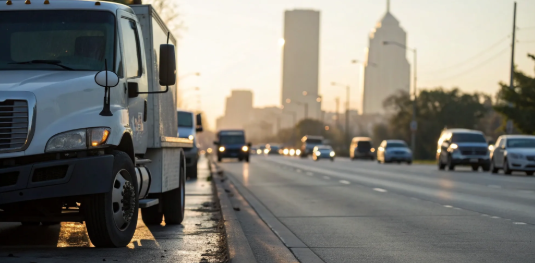
When a commercial vehicle causes a crash, figuring out who is at fault is rarely simple. Was it the driver who was speeding to meet a deadline? Or was it the company that failed to properly maintain the truck’s brakes? It could even be the manufacturer of a faulty part. A commercial auto injury case requires a deep investigation to uncover every party that shares responsibility for your injuries. This is critical because each responsible party may have its own insurance policy, which can be a source of compensation. We will explore how liability is determined and why identifying every negligent party is essential for your recovery.
Key Takeaways
- Responsibility Often Goes Beyond the Driver: In a crash involving a company vehicle, the driver may not be the only one at fault. Liability can extend to their employer, the vehicle owner, or a maintenance company, which is why a full investigation is essential.
- Your Actions at the Scene Matter: Protecting your rights starts immediately after the accident. Prioritize getting medical care, document everything with photos, gather witness information, and avoid admitting any fault to anyone.
- These Complex Cases Require an Expert: Commercial accident claims involve strict regulations and aggressive corporate insurers. An experienced attorney can manage these complexities, handle all communications, and build a strong case to secure the compensation you deserve.
What Is a Commercial Auto Injury?
An accident involving a delivery truck, a construction vehicle, or any car being used for business is not the same as a typical fender bender. These incidents are known as commercial auto accidents, and they come with their own set of rules and complexities. If you’ve been injured in a crash with a company vehicle, understanding what makes your situation different is the first step toward protecting your rights. The legal path forward involves more than just dealing with another driver; it often means taking on a company and its large insurance provider.
Defining a “Commercial” Auto Accident
So, what exactly counts as a commercial vehicle? The definition is broader than you might think. It includes any car, truck, van, or bus owned and operated by a business. This covers everything from massive semi-trucks and city buses to smaller vehicles like delivery vans, contractor pickups, and even a car used by a salesperson to visit clients. If the vehicle’s primary purpose at the time of the crash was related to business activities, you are likely dealing with a commercial auto accident. This distinction is critical because it changes who can be held responsible for your injuries.
How Commercial Cases Differ from Personal Car Accidents
The biggest differences between commercial and personal auto accidents come down to two things: the severity of the crash and the question of who is at fault. Because commercial vehicles are often much larger and heavier than passenger cars, the collisions they cause can result in more catastrophic injuries and extensive property damage. Beyond the physical impact, determining liability is more complicated. In a personal car crash, you’re usually dealing with one other driver. In a commercial accident, the driver, their employer, the vehicle owner, and even a maintenance provider could all share responsibility.
Why Commercial Accident Claims Are More Complex
The complexity of a commercial accident claim stems from these multiple layers of liability. To figure out who is responsible, you may need to examine evidence like driver logs, vehicle maintenance records, and internal company safety policies. This isn’t information that companies willingly hand over. Furthermore, you’ll be up against commercial insurance policies, which are far more intricate than standard auto insurance. Multiple insurance companies may be involved, and each will work to pay out as little as possible. This is why handling these injury claims requires a deep understanding of regulations governing commercial vehicles.
What Causes Commercial Vehicle Accidents?
When you’re in an accident with a commercial vehicle, figuring out what went wrong can feel complicated. It’s rarely as simple as one driver making a single mistake. The cause often involves a mix of factors, from the driver’s actions to the company’s policies and the condition of the vehicle itself. Uncovering the root cause is the first and most important step in any injury law case because it helps identify who is truly at fault. A thorough investigation might reveal that the responsibility lies not just with the person behind the wheel, but with the company that employs them.
Common Vehicles Involved in Commercial Accidents
The term “commercial vehicle” often brings to mind massive semi-trucks, but the reality is much broader. Commercial vehicle accidents can involve a wide variety of vehicles used for business purposes. This includes the delivery vans that drop off packages, box trucks moving goods across town, and even standard company cars used by employees for work-related travel. Rideshare vehicles, like those for Uber and Lyft, and specialized utility trucks also fall under this category. If a vehicle is owned or operated by a business for profit, an accident involving it is considered a commercial accident, which changes how an injury claim is handled.
How Driver Error Contributes to Crashes
Even professional drivers make mistakes, but their errors can have devastating consequences. Many commercial vehicle accidents are caused by preventable driver actions. Common causes include distracted driving, such as texting or looking at a GPS, speeding to meet tight deadlines, and driving while fatigued. Federal regulations limit how many hours a commercial driver can be on the road, but pressure from employers can lead them to push past their limits. Driving under the influence of alcohol or drugs is another serious factor that can lead to catastrophic crashes. These actions not only endanger others but also represent a clear breach of the driver’s professional responsibility.
The Role of Poor Maintenance and Equipment Failure
A driver is only as safe as their vehicle. Unfortunately, poor vehicle maintenance and mechanical failures are significant contributors to commercial vehicle accidents. A company has a duty to keep its fleet in safe, working order. This means performing regular inspections and addressing issues promptly. When they fail to do so, critical components can break down at the worst possible moment. Worn-out brakes, bald tires, broken headlights, or faulty steering systems can all lead directly to a crash. In these cases, the responsibility extends beyond the driver to the company that neglected its maintenance duties.
When Company Negligence Is a Factor
Sometimes, the root cause of an accident can be traced back to the company’s own practices. Employer negligence can play a critical role in commercial vehicle accidents, especially when companies cut corners on safety to save money. This can include failing to provide adequate driver training, not performing background checks, or encouraging drivers to ignore safety rules to meet delivery schedules. When a company fails to enforce its own safety policies or properly maintain its vehicles, it creates a dangerous environment for everyone on the road. If you’ve been injured, it’s important to get legal guidance to determine if company negligence was a factor.
Who Is Legally Responsible in a Commercial Auto Accident?
After an accident with a commercial vehicle, figuring out who is responsible isn’t always straightforward. Unlike a typical car crash involving two private citizens, commercial accidents often have multiple layers of liability. The driver might be at fault, but their employer, the company that owns the vehicle, the manufacturer, or even the team that loaded the cargo could also share the blame.
Because these cases are so complex, it’s important to understand that many different people or companies can be held accountable, not just the person behind the wheel. For example, if a delivery truck driver was speeding to meet an unrealistic deadline set by their manager, the company’s policies could be a contributing factor. If a mechanical failure caused the crash, the maintenance crew or the vehicle manufacturer might be responsible. An experienced injury law attorney can investigate every angle to identify all the parties who played a role in the accident and hold them accountable. This process is key to ensuring you receive the full compensation you deserve for your injuries and losses.
Understanding Business Insurance Requirements
Businesses that use vehicles for work are required to carry specific types of insurance to cover accidents. The most important one is commercial auto liability insurance, which is designed to protect the business when an employee causes an accident while on the job. This insurance helps pay for the injuries and property damage suffered by other people involved in the crash. Unlike personal auto policies, commercial policies are built to handle the higher risks and potential for greater damage associated with business operations. This coverage is the primary source of compensation in most commercial accident claims, so confirming its existence and limits is a critical first step in the legal process.
When Is an Employer Liable for an Accident?
In many cases, an employer can be held legally responsible for the actions of their employees. This legal principle is often called “vicarious liability.” If the employee caused an accident while performing their job duties, their employer might also be at fault. This applies whether they were driving a company-owned truck, a delivery van, or even their own car for a work-related task. For example, if a pizza delivery driver runs a red light or a salesperson is texting while driving to a client meeting, their employer might be held responsible for the resulting crash. This is because the employer has a duty to properly train and supervise their employees to ensure they operate vehicles safely.
Following Federal and State Regulations
The commercial transportation industry is governed by a strict set of federal and state safety regulations. These rules cover everything from how many hours a truck driver can be on the road to requirements for vehicle maintenance and driver qualifications. Government bodies like the Occupational Safety and Health Administration (OSHA) expect employers to commit to roadway safety and ensure their drivers and vehicles meet these standards. When a company cuts corners on maintenance, encourages drivers to ignore hours-of-service rules, or fails to provide proper training, it is not just being irresponsible; it is being negligent. A violation of these regulations can serve as powerful evidence of fault in an injury claim.
Identifying Every Party at Fault
A thorough investigation often reveals that responsibility for a commercial vehicle accident extends beyond just the driver. These cases are complicated because multiple parties can be at fault. For instance, if a tire blows out and causes a crash, the tire manufacturer could be liable for a defective product. If the brakes failed, the mechanic or company that performed the last service could be responsible. Even the company that loaded cargo onto a truck could be at fault if an unbalanced or unsecured load shifted and caused the driver to lose control. That’s why it’s so important to work with a legal team that knows how to uncover every contributing factor and identify every responsible party.
What to Do Immediately After a Commercial Vehicle Accident
The moments following a collision with a commercial truck or vehicle can feel chaotic and overwhelming. What you do next is critical for both your physical recovery and your ability to secure fair compensation. Taking a few specific, deliberate actions can protect your health and your legal rights from the very beginning.
Prioritize Your Safety and Get Medical Help
Your well-being is the absolute priority. If you can, move your vehicle to a safe location away from traffic. Call 911 immediately to report the accident and request medical assistance. Even if you feel fine, it’s essential to get a medical evaluation. Adrenaline can easily mask serious injuries, and delaying treatment can worsen your condition. Seeking prompt medical care also creates an official record of your injuries, which is a crucial piece of evidence in any future injury law claim. Your health comes first, and these records will help prove the extent of the harm you suffered.
Gather Key Evidence at the Scene
If you are physically able, documenting the scene can significantly strengthen your case. Use your phone to take photos and videos of everything. Capture the damage to all vehicles, the license plates, the positions of the cars, any visible injuries you have, and the surrounding area, including road conditions and traffic signals. Ask any witnesses for their names and contact information; their objective accounts can be invaluable. Be sure to get the other driver’s name, insurance details, and the name of their employer. Note any logos or identifying numbers on the commercial vehicle itself.
Report the Accident and Contact an Attorney
Always wait for the police to arrive. An official police report provides an authoritative account of the incident. When you speak with the officer, state the facts clearly and calmly, but avoid admitting any fault or speculating about what happened. Once you have received medical attention and the scene is secure, your next call should be to an experienced attorney. The trucking company and its insurer will have their own legal team working to protect their interests immediately. You need someone on your side to do the same. Contact an experienced attorney who can start investigating and preserving evidence right away.
Protect Your Rights During the Investigation
Soon after the accident, you will likely be contacted by an insurance adjuster from the commercial vehicle’s company. Do not give them a recorded statement or sign any documents without first speaking to your lawyer. These adjusters are trained to ask questions that may lead you to unintentionally hurt your own claim. Their goal is to minimize the amount the insurance company has to pay. Let your attorney handle all communications with the other party’s insurer. You should also report the accident to your own insurance company, but it’s wise to have your lawyer guide you through that conversation as well.
How Businesses Should Prevent Commercial Auto Accidents
While you can’t control a company’s internal policies, understanding their responsibilities is a powerful tool for your injury claim. Businesses that operate commercial vehicles have a legal duty to protect the public. When they cut corners on safety, they can be held responsible for the harm they cause.
A company’s failure to take safety seriously is often a key part of proving negligence in a commercial vehicle accident case. From inadequate driver training to poorly maintained trucks, these oversights create dangerous conditions for everyone on the road. Knowing what a responsible company should be doing helps you and your attorney identify where they failed and build a stronger case for the compensation you deserve.
Implement Proper Driver Training Programs
A company can’t just hand over the keys to a large truck or van and hope for the best. Responsible businesses invest in thorough driver training programs for their employees. This isn’t a one-time event; it should be an ongoing process that includes initial training, regular refreshers, and specialized instruction for new vehicles or routes. Effective training covers defensive driving techniques, federal and state traffic laws, and company-specific safety rules. When a company neglects to properly train its drivers, it puts an unprepared employee behind the wheel, creating a significant risk. This failure can be a direct cause of an accident and a clear sign of company negligence.
Prioritize Vehicle Maintenance and Safety
Commercial vehicles endure a lot of wear and tear, and keeping them in safe working condition is a critical responsibility. Companies should follow a strict, documented preventative maintenance program to regularly inspect and service their fleet. This includes routine checks of brakes, tires, lights, steering, and other essential systems. Simply waiting for something to break is not enough. A company that allows a vehicle with known defects, like worn-out brakes or bald tires, onto the road is knowingly endangering others. If poor maintenance contributed to your accident, the company can be held liable for its carelessness.
Develop Clear Policies and a Safety-First Culture
A safe operation starts with clear expectations. Every business with a fleet of vehicles should have a formal safety program that outlines specific policies and procedures for its drivers. These policies should address common dangers like distracted driving, speeding, and driver fatigue by setting firm rules on cell phone use and hours of service. A strong safety culture means that these rules are consistently enforced and that safety is valued over speed or profit. When a company lacks a formal safety plan, it sends a message that safety isn’t a priority, which can lead to a pattern of reckless behavior and preventable accidents. If you’ve been injured, our injury law experts can investigate whether a company’s poor policies played a role.
Take Proactive Steps to Reduce Accident Risks
Preventing accidents requires a proactive approach, not a reactive one. Companies must actively manage their on-the-road risks to protect their employees and the public. This involves identifying potential hazards and taking concrete steps to reduce them. For example, a business might use vehicle monitoring technology to address issues like speeding or harsh braking. They might also offer incentives for safe driving records or implement strict disciplinary actions for safety violations. A company that simply reacts after an accident occurs isn’t fulfilling its duty of care. True prevention means constantly working to identify and eliminate the root causes of crashes before they happen.
How Do Commercial Injury Claims Work?
When you’re in an accident with a commercial vehicle, the path to getting compensation is different from a typical car crash. Commercial vehicle accidents are complex because it’s not always just the driver who is at fault. Responsibility could lie with the trucking company, the vehicle’s manufacturer, or even the crew that loaded the cargo. Each of these parties has its own insurance and legal team, which makes the process much more complicated.
The claim process starts by identifying every single person or company that could be responsible for your injuries. This requires a deep investigation into company records, driver logs, and vehicle maintenance history. From there, we deal with commercial insurance policies, which have much higher limits and more aggressive lawyers than standard auto policies. The goal is to build a strong case that shows exactly how the negligence of others caused your accident and proves the full extent of your damages. It’s a detailed process, but it’s designed to ensure you receive fair compensation for everything you’ve been through. An experienced injury law attorney can manage this entire process for you.
What Kind of Compensation Can You Receive?
The damages in commercial personal injury claims extend far beyond immediate hospital bills. You are entitled to seek compensation for a wide range of losses, which are generally split into two categories. The first is economic damages, which cover tangible financial losses like your current and future medical expenses, lost wages from being unable to work, and any impact on your future earning capacity. This also includes the cost of repairing or replacing your vehicle.
The second category is non-economic damages. These are meant to compensate you for the personal, non-financial impact of the accident. This includes your physical pain and suffering, emotional distress, and loss of enjoyment of life. Our team works to calculate the full value of your claim to ensure every loss is accounted for.
Factors That Influence Your Claim’s Value
Several key factors influence the final settlement amount in a commercial vehicle accident case. The most significant factors are the severity of your injuries, the total cost of your medical care, and the amount of money you lost from being unable to work. A case involving a permanent disability will naturally have a higher value than one with minor injuries that heal quickly.
Other elements also play a crucial role. The strength of the evidence proving the other party’s fault is critical, as is the clarity of the police report and witness statements. The commercial insurance policy limits can also affect the maximum amount you can recover. Because every accident is unique, the value of your claim depends entirely on the specific details of your situation.
How to Handle Insurance Companies
After an accident, you will likely be contacted by an insurance adjuster from the commercial company. It is vital that you avoid talking to insurance adjusters alone. Remember, their job is to protect their company’s bottom line by paying out as little as possible. Anything you say can be recorded and used against you to downplay your injuries or suggest you were partially at fault.
Adjusters may sound friendly and helpful, but they are trained to ask questions that can hurt your claim. They might also pressure you into accepting a quick, low settlement before you even know the full extent of your injuries and future medical needs. The best approach is to politely decline to give a statement and direct all their communications to your attorney. Before you speak with anyone, contact our team for guidance.
Why You Need an Experienced Attorney
Commercial accident cases are not straightforward. Having a specialized legal team is very important to understand these complex cases and make sure you get the money you deserve. An experienced attorney knows how to investigate crashes involving commercial vehicles, uncovering evidence from driver logs, maintenance records, and company safety policies to identify every liable party. This could include the driver, the employer, a parts manufacturer, or a maintenance company.
Your lawyer will handle all negotiations with the large commercial insurance companies, protecting you from their tactics and fighting for a fair settlement. They will also accurately calculate your total damages, including future medical costs and lost income, to ensure your long-term needs are met. With an expert like Sean Logue on your side, you can focus on your recovery while your case is in capable hands.
How to Protect Your Legal Rights After an Accident
The steps you take in the hours and days following a commercial vehicle accident can have a huge impact on your physical and financial recovery. It’s a chaotic and stressful time, but knowing how to protect yourself is your first line of defense. While your immediate priority is always your health, preserving your legal rights is a close second. This involves careful documentation, strategic communication, and getting the right professional help on your side as soon as possible. Building a strong case starts the moment the accident happens, and being prepared can make all the difference in securing the compensation you need to move forward.
Keep Detailed Records and Reports
After an accident, your memory can be a blur. That’s why documentation is one of the most powerful tools you have. If you are able, use your phone to take pictures of everything at the scene: the positions of the vehicles, the damage to all cars involved, your injuries, and any relevant road conditions or traffic signs. These photos create a visual record that can be crucial for establishing the facts. Also, be sure to collect the names and contact information of anyone who witnessed the accident. An independent account can provide critical support for your version of events. Keep a dedicated folder for everything related to the accident, including medical bills, repair estimates, and notes on your symptoms.
Deal with Insurance Company Delays and Tactics
Soon after the accident, you will likely get a call from the other party’s insurance adjuster. It’s important to remember that their job is to protect their company’s bottom line, not to ensure you get a fair settlement. Avoid the urge to talk to them alone or provide a recorded statement. Anything you say can be taken out of context and used to minimize your claim later. Politely decline to discuss the details of the accident and tell them your attorney will be in touch. Insurance companies often use delay tactics or make lowball offers, hoping you’ll get frustrated and accept less than you deserve. Having an experienced injury law attorney handle these communications protects you from these strategies.
Secure Your Long-Term Financial Future
A fair settlement is about more than just covering your immediate car repairs and medical bills. It should account for all of your losses resulting from the crash, including future medical treatments, physical therapy, lost wages from time off work, and even diminished earning capacity if your injuries affect your career. These economic damages are meant to make you whole again and provide for your long-term financial stability. Calculating these future costs is complex and requires a thorough understanding of your injuries and prognosis. A skilled legal team can work with medical and financial experts to accurately assess the full value of your claim and ensure your settlement truly covers what you need for the future.
Choose the Right Attorney for Your Case
Getting the right legal help early on is one of the most important steps you can take. An experienced commercial vehicle accident attorney can immediately begin protecting your rights, gathering evidence, and managing all communication with insurance companies. Look for a lawyer with a proven track record of handling complex injury cases and strong negotiation skills, as this can often lead to a much higher settlement without the need for a lengthy trial. You need an advocate who will fight for you and explain things clearly every step of the way. If you’re ready to find a team that will put your interests first, contact an attorney who can help you get the results you deserve.
Related Articles
- The Role of a CDL Truck Injury Lawyer
- Injured by a Commercial Vehicle? Here’s What to Do
- CDL Truck Accident: A Victim’s Guide
Frequently Asked Questions
Do I really need a lawyer if the company’s insurance is supposed to cover everything? While it’s true that commercial insurance policies are in place to cover accidents, their goal is to pay out as little as possible. An insurance adjuster works for the company, not for you. Having an experienced attorney ensures someone is fighting for your best interests, calculating the full cost of your injuries, and handling all the complex negotiations so you are not pressured into accepting an unfair offer.
What if the employee was driving their personal car for work when the accident happened? This is a common scenario that can make a case more complex, but it usually does not free the employer from responsibility. If the employee was performing job-related duties at the time of the crash, such as visiting a client or making a delivery, their employer can often still be held liable for your injuries under a legal principle known as vicarious liability.
The company’s insurance adjuster seems friendly and offered me a quick settlement. Why shouldn’t I just take it? A fast settlement offer is often a red flag. Insurance companies know that the full extent of injuries, future medical needs, and lost wages may not be clear right after an accident. They offer a quick payout hoping you will accept it before you realize your claim is worth much more. Accepting that offer is final, so it is critical to speak with an attorney to understand the true value of your claim before signing anything.
How long do I have to file an injury claim after a commercial vehicle accident in Pennsylvania? In Pennsylvania, you generally have two years from the date of the accident to file a personal injury lawsuit. This is known as the statute of limitations. While that might seem like a lot of time, building a strong case requires gathering evidence and investigating immediately. Waiting too long can make it difficult to secure witness statements and important records, so it is best to seek legal advice as soon as possible.
What if I believe I might have been partially at fault for the crash? You should still speak with an attorney. Pennsylvania follows a “modified comparative negligence” rule, which means you can still recover damages as long as you are not found to be more than 50 percent responsible for the accident. Your potential compensation would simply be reduced by your percentage of fault. An attorney can help investigate the facts to determine exactly what happened and protect your right to a fair recovery.